
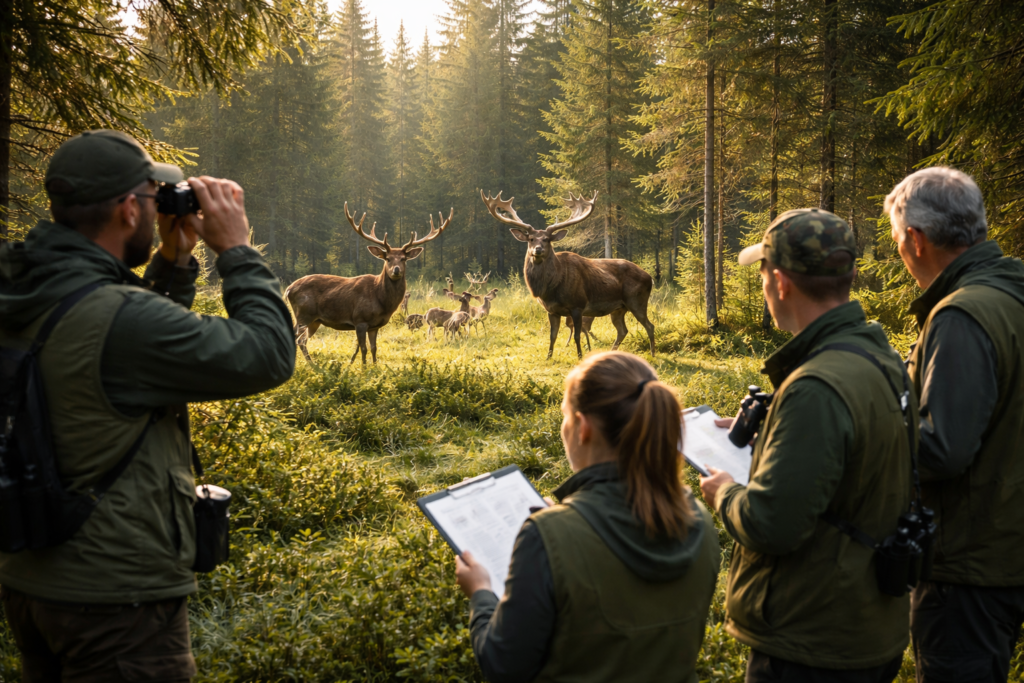
Introduction to Viltnemnda
The term “Viltnemnda” originates from Scandinavian governance systems, particularly in Norway, where it refers to a local wildlife management committee responsible for overseeing hunting regulations, wildlife conservation, and ecological balance. In modern environmental governance, Viltnemnda plays a critical role in ensuring sustainable wildlife practices while balancing human interests such as agriculture, forestry, and hunting.
Understanding Viltnemnda is essential for anyone interested in wildlife management, environmental policy, biodiversity conservation, and sustainable hunting practices. This article provides a comprehensive and detailed exploration of its structure, responsibilities, legal framework, and importance in ecological systems.
What is Viltnemnda?
Viltnemnda is a municipal-level committee tasked with managing wildlife resources in a specific region. It operates under national laws but functions locally to address specific environmental conditions and challenges.
Key Definition
- Viltnemnda = Local Wildlife Management Committee
- Operates within municipal governance
- Responsible for wildlife conservation and hunting regulation
The committee acts as a bridge between:
- Government authorities
- Local communities
- Hunters and landowners
Core Responsibilities of Viltnemnda
The responsibilities of Viltnemnda are broad and highly impactful. These include:
1. Wildlife Population Management
One of the primary duties is maintaining balanced wildlife populations. This involves:
- Monitoring animal species
- Preventing overpopulation
- Protecting endangered species
2. Hunting Regulation
Viltnemnda regulates hunting activities by:
- Issuing hunting permits
- Setting quotas
- Defining hunting seasons
This ensures ethical hunting practices and prevents overexploitation.
3. Conflict Resolution
Human-wildlife conflicts are common in rural areas. Viltnemnda helps resolve issues such as:
- Crop damage by animals
- Livestock attacks
- Safety concerns
4. Environmental Conservation
The committee contributes to:
- Biodiversity preservation
- Habitat protection
- Sustainable ecosystem management
5. Policy Implementation
Viltnemnda enforces national wildlife laws at the local level, ensuring:
- Compliance with regulations
- Proper reporting and monitoring
Legal Framework Behind Viltnemnda
Viltnemnda operates under national wildlife and environmental laws, which define its authority and responsibilities.
Key Legal Aspects
- Wildlife protection laws
- Hunting regulations
- Environmental sustainability policies
These laws ensure that Viltnemnda operates transparently and effectively, maintaining accountability.
Structure and Organization
The structure of Viltnemnda is typically composed of:
Committee Members
- Appointed by local government
- Experts in wildlife, forestry, or agriculture
Leadership Roles
- Chairperson
- Vice-chairperson
- Administrative staff
Decision-Making Process
Decisions are made through:
- Meetings
- Voting systems
- Public consultations
This ensures democratic and informed decision-making.
Importance of Viltnemnda in Wildlife Conservation
1. Maintaining Ecological Balance
Without proper regulation, wildlife populations can become unstable. Viltnemnda ensures:
- Predator-prey balance
- Healthy ecosystems
2. Preventing Overhunting
By controlling hunting quotas, the committee prevents:
- Species extinction
- Illegal hunting activities
3. Supporting Biodiversity
Viltnemnda promotes:
- Protection of rare species
- Conservation of natural habitats
4. Sustainable Resource Management
It ensures that wildlife resources are used responsibly for:
- Food
- Recreation
- Economic activities
Viltnemnda and Sustainable Hunting
Sustainable hunting is a core principle of Viltnemnda.
Key Elements
- Ethical hunting practices
- Controlled quotas
- Seasonal restrictions
Hunters must follow strict guidelines, ensuring:
- Minimal environmental impact
- Respect for animal welfare
Role in Human-Wildlife Conflict Management
Conflicts between humans and wildlife are increasing due to:
- Urban expansion
- Habitat loss
Viltnemnda addresses these challenges by:
- Implementing preventive measures
- Providing compensation mechanisms
- Educating communities
Technology and Data in Viltnemnda Operations
Modern Viltnemnda committees use advanced tools such as:
1. Wildlife Monitoring Systems
- GPS tracking
- Camera traps
2. Data Analysis
- Population statistics
- Migration patterns
3. Digital Reporting
- Online permit systems
- Real-time updates
This integration of technology enhances efficiency and accuracy.
Challenges Faced by Viltnemnda
Despite its importance, Viltnemnda faces several challenges:
1. Climate Change
Changing climates affect:
- Animal migration
- Habitat conditions
2. Illegal Hunting
Poaching remains a major issue.
3. Limited Resources
Budget constraints can limit:
- Monitoring capabilities
- Enforcement actions
4. Public Awareness
Lack of awareness can lead to:
- Non-compliance
- Conflicts
Viltnemnda vs Other Wildlife Authorities
Viltnemnda differs from national agencies in several ways:
| Aspect | Viltnemnda | National Authorities |
|---|---|---|
| Level | Local | National |
| Focus | Community-based | Policy-based |
| Decision-making | Decentralized | Centralized |
This local approach allows better adaptation to regional needs.
Global Relevance of Viltnemnda
While Viltnemnda is specific to certain countries, its model is globally relevant.
Why It Matters Globally
- Encourages localized governance
- Promotes community involvement
- Supports sustainable ecosystems
Countries worldwide can adopt similar systems to improve wildlife management.
Future of Viltnemnda
The future of Viltnemnda is shaped by:
1. Digital Transformation
- AI-based wildlife tracking
- Smart monitoring systems
2. Stronger Policies
- Enhanced regulations
- International cooperation
3. Community Engagement
- Education programs
- Public participation
Best Practices for Effective Viltnemnda Management
To improve efficiency, Viltnemnda should focus on:
1. Transparency
- Open decision-making
- Public reporting
2. Collaboration
- Work with scientists and communities
3. Continuous Monitoring
- Regular wildlife assessments
4. Education
- Awareness campaigns
Why Viltnemnda is Essential Today
In a world facing environmental challenges, Viltnemnda is more important than ever. It provides:
- Sustainable wildlife management
- Balanced ecosystems
- Reduced human-wildlife conflict
Its localized approach ensures that solutions are:
- Practical
- Effective
- Environmentally responsible
Conclusion
Viltnemnda represents a powerful model of local wildlife governance, combining conservation, regulation, and community involvement. Its role in maintaining ecological balance, regulating hunting, and resolving conflicts makes it a cornerstone of modern environmental management.
As environmental challenges continue to grow, strengthening and expanding systems like Viltnemnda will be crucial for ensuring a sustainable and balanced future.